
Comprehensive projects with BIM
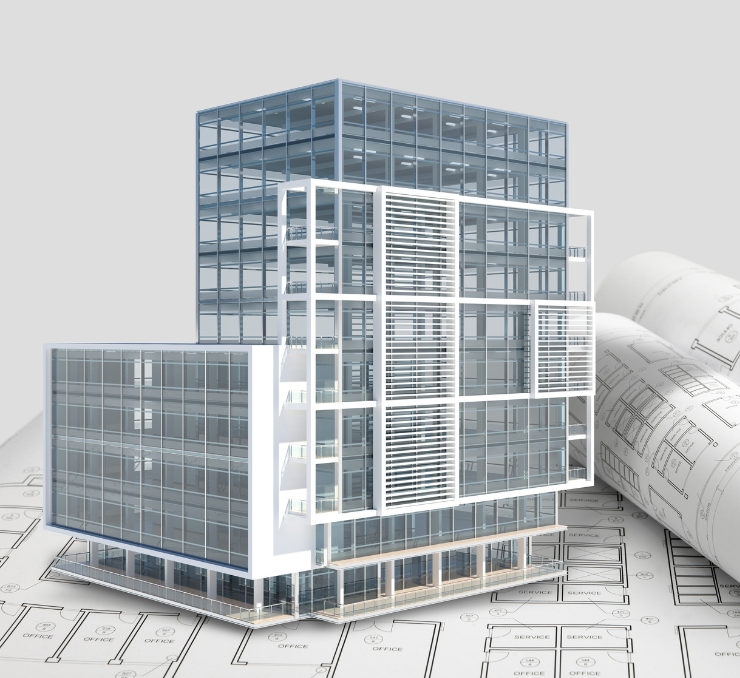
Industrial engineering projects with BIM methodology
We design and develop multidisciplinary engineering projects with BIM from the beginning.
Structure, installations, piping, isometrics and technical documentation in a coordinated process.
What is industrial engineering with BIM and what a comprehensive project includes
An industrial engineering project with BIM integrates all the disciplines involved into a single coordinated model: structure, piping, process equipment, electrical installations, instrumentation and protection systems. Each discipline works on the same federated model, which eliminates inconsistencies between plans of different equipment and allows interference to be detected before it reaches the floor.
In the comprehensive projects we develop, P&IDs are intelligent and linked to the 3D model. Piping isometrics are generated directly from the model. The legalization documentation is based on the same geometric basis as the project, which reduces errors between plans and technical documents and speeds up processing before the competent bodies.
For industries with ATEX zones, we also develop the zone classification and technical documentation required by Directive 2014/34/EU.
Do any of these situations sound familiar to you?
You have an industrial project that needs BIM but you do not have an internal team.
Engineering from different disciplines is not coordinated and errors appear on site.
Industrial engineering with BIM: P&ID, isometrics and legalization in a single process
An industrial engineering project has several disciplines that must be coordinated: the structure, mechanical installations, piping, instrumentation and the electrical part. When each discipline works on its model separately and no one coordinates them, interference appears on site.
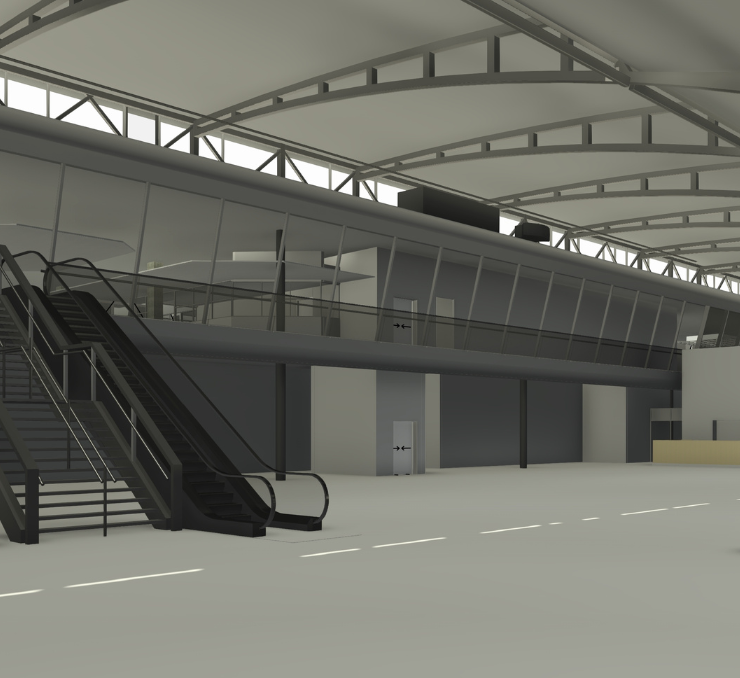
With BIM, P&IDs are intelligent: they are linked to the 3D model and equipment sheets. Piping isometrics are generated directly from the model. And the legalization documentation is produced on the same geometric basis, without inconsistencies between plans and documents.
For projects that require classification of ATEX zones or legalization of industrial facilities, the BIM model serves as a documentary basis for the entire process. Less back and forth with the competent organizations and fewer errors in technical documentation.
Frequently asked questions
If your question is not here, write to us. We respond in less than 24 hours.
ContactWe do the design and technical documentation of the project. Construction management is not our main service, although for projects where the client needs it we can agree on a monitoring and technical coordination service during execution.
The most common thing is that the engineering project we deliver is the basis with which the client’s construction team or the contractor who executes the installation works.
Yeah. We take care of all the processing: technical documentation, calculation report, plans and presentation to the competent bodies of each autonomous community. We cover electrical, thermal, refrigeration, fuel and fire protection installations.
The project’s BIM model serves as a documentary basis for processing, which reduces errors and inconsistencies between plans and documents.
The ATEX zone classification identifies and delimits the areas of an industrial facility where there may be potentially explosive atmospheres. It is mandatory in industries that handle gases, vapors, mists or combustible dusts: chemical, petrochemical, pharmaceutical, food, water treatment and biogas, among others.
The result is a technical document with the classification plans and the description of the criteria applied according to the ATEX directive (2014/34/EU). From this document, the suitable equipment for each area is selected.
Chemistry and petrochemicals, food and agri-food, pharmaceuticals, energy and biogas, water treatment, and logistics and general industry. They are the sectors where the team has the most accumulated experience and where regulatory requirements are most demanding.
If your industry isn’t on that list, tell us. Engineering projects with BIM have a similar logic in most industrial sectors; What changes are the specific regulatory standards of each one.
Do you have an engineering project that needs BIM?
Tell us what phase you are in and what disciplines are involved.
