
Asset valuation using BIM data
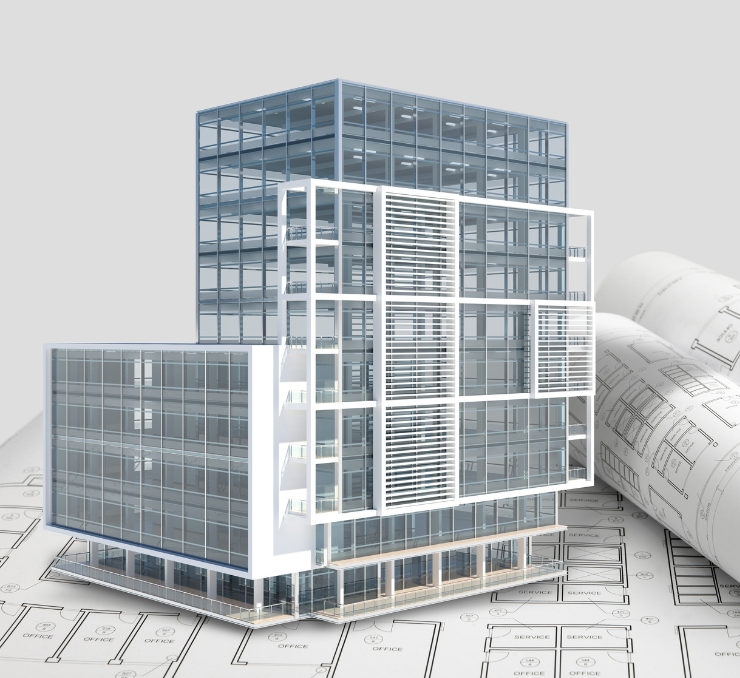
Investment decisions based on real information
We use the digital building model to provide you with a technical valuation of the actual condition of your assets.
Perfect for decisions regarding renovations, divestment, sales, or technical due diligence.
What is asset valuation with BIM and how does it differ from an appraisal?
Asset valuation using BIM is a technical report detailing the actual condition of a building or facility, going beyond its market price. It includes information on the state of the main building systems and installations, the estimated lifespan of each, and the replacement cost. It is based on data captured on-site using laser scanning and verified against the asset’s BIM model.
The difference compared to a conventional property appraisal lies in the level of technical detail. An appraisal states the property’s value. BIM valuation indicates the cost of maintaining the building’s operation over the next ten years, when the HVAC systems need to be replaced, and how much further the building envelope will require before intervention. This information is what drives investment decisions.
Do any of these situations sound familiar?
You have assets that you need to value with real data.
The reports are generic and do not reflect the actual state of the systems.
Technical due diligence of assets with BIM: what it offers compared to traditional valuation
A property appraisal tells you the market value of the property. It doesn't tell you the condition of the heating and cooling systems or how many years the electrical system has left before needing a complete overhaul.
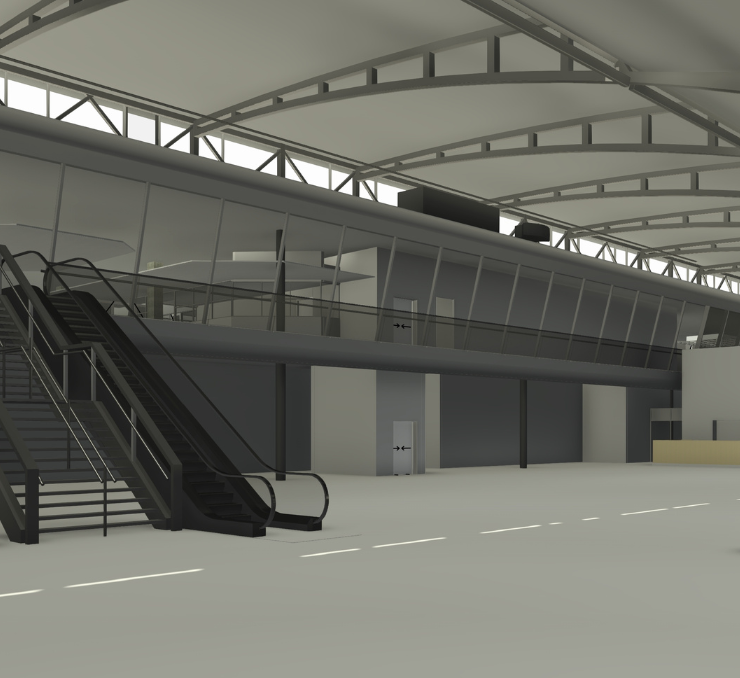
A property appraisal tells you the market value of the property. It doesn't tell you the condition of the heating and cooling systems or how many years the electrical system has left before needing a complete overhaul.
The BIM valuation report includes the asset model, the condition of the main building systems and installations, the estimated useful life of each, and the replacement cost. All of this is based on data captured in the field, not on estimated valuations.
Frequently Asked Questions
If your question isn't answered here, write to us. We respond within 24 hours.
ContactNo. A BIM valuation is a technical report on the asset’s condition: what’s there, its state, and the cost of replacing the main systems. It complements a property appraisal, not replaces it.
What it offers compared to an appraisal is the technical detail that the latter doesn’t include: the condition of the HVAC systems, the estimated lifespan of the electrical system, and the actual cost of bringing the building up to a specific efficiency level. This data is crucial for decisions regarding purchasing, renovating, or selling the property.
Yes. Valuing industrial assets has its own specific characteristics: process equipment, specialized facilities, regulatory compliance (ATEX, PED, sector-specific regulations), and technological obsolescence. All these factors affect the asset’s real value and the cost of keeping it operational.
We have worked on valuing process plants, industrial buildings with specialized machinery, and logistics assets. If you’re unsure whether your asset qualifies, let us know, and we’ll provide a direct assessment.
For a valuation based on reliable technical data, yes. We need access to the asset to capture its actual condition using laser scanning and verify the condition of the main components on-site.
If the asset already has a recent and updated BIM model, we can use it as a starting point and reduce the visit time. However, we don’t perform valuations solely based on project documentation without verifying it against the actual condition of the asset.
This is one of the most common uses. For the seller, providing detailed technical documentation lends credibility and reduces negotiations regarding the asset’s condition. For the buyer, it forms the basis for rigorous technical due diligence before the transaction.
The report includes verifiable data: the asset’s BIM model, the technical condition report with its sources, and replacement cost valuations based on current market benchmarks.
Do you have assets that you need to value with real data?
Tell us what type of asset it is and what you need the valuation for.
