
Monitoring of digitized work
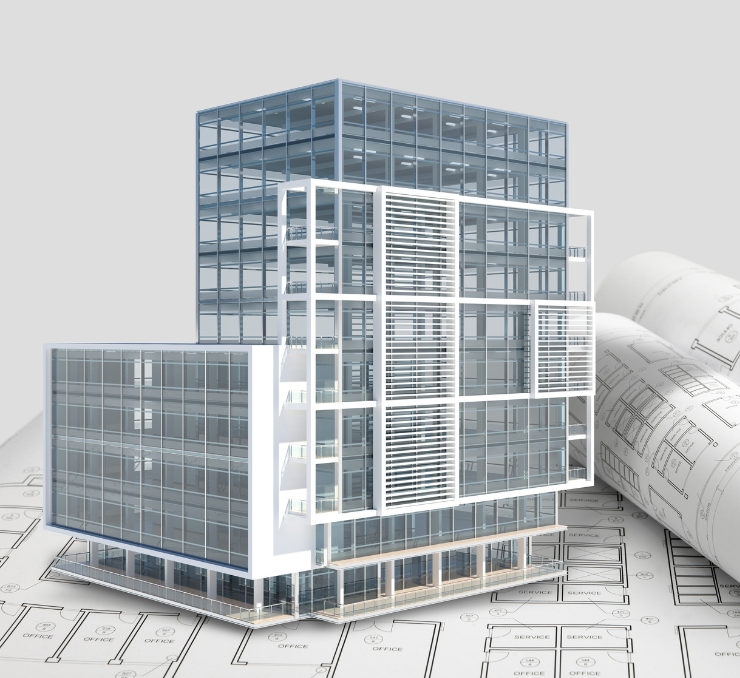
You know exactly what is built and how
We document the progress of your work with periodic scanners.
You have the real state of the construction at all times, compared to the project model.
What is digitized work monitoring and what does it contribute compared to traditional monitoring
Digitized work monitoring consists of capturing the real state of the work periodically with a laser scanner and superimposing the data on the project model to automatically detect deviations between what was projected and what was executed. The result of each visit is a visual report with the exact location of each deviation and its magnitude, not a visit report with photos and free text.
The difference compared to traditional tracking is not only precision: it is coverage. A visit report documents what the technician saw during the time he was on site. A scanner documents the entire captured perimeter, regardless of who is currently looking. And upon completion of the work, the set of tracking scanners forms the actual as-built of the project.
Do any of these situations sound familiar to you?
The promoter does not know exactly what has been executed until he visits the work.
Deviations between project and execution are discovered late, when it is already expensive to correct them.
Control and monitoring of work with point cloud: what it contributes compared to traditional minutes
The construction visit minutes are photos and text. They document what the technician saw during the time he was on the job. What was not before his eyes is not recorded.
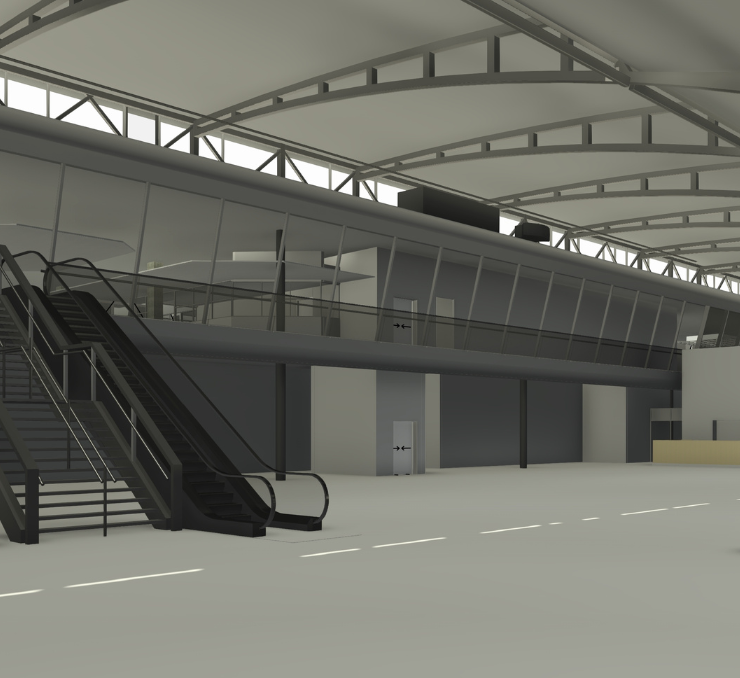
Laser scanner tracking covers the entire work at each visit. The point cloud is overlaid on the project model and automatically detects deviations: items that are out of position, work executed that does not match the project, or areas that should be finished and are not.
The monitoring report we deliver is visual and locatable: each deviation has its exact position in space, not just a text description. And upon completion of the work, the set of tracking scanners forms the actual as-built of the project.
Frequently asked questions
If your question is not here, write to us. We respond in less than 24 hours.
It depends on the pace of the work and the control milestones you want to document. The most common is a monthly or biweekly visit. For high activity phases or when there are important certification dates, it may be necessary to increase the frequency.
We plan it at the beginning of the service with a visit calendar linked to the work plan. If there are changes in the pace of execution, we adjust the schedule.
The deviations are documented in the report with their exact location in the model and the magnitude of the difference. We do not make decisions about what to do: that is the responsibility of the construction manager. What we do is give you the information in a clear and verifiable way so that you can act with real data.
It is much easier to correct a deviation when it is detected in the monthly visit than when it appears at the reception of the work.
Yeah. If the project already has a BIM model, we use it as a reference for comparison. We need access to the model in whatever format it is in: Revit, IFC or NavisWorks.
We can also work on construction sites without a prior BIM model. In that case, the first scan serves as a baseline and the following ones document the evolution with respect to it.
The reports document the actual status of the work on each visit date with the precision of a laser scanner, making them objective and verifiable technical evidence. For claims or disputes about the status of execution on a given date, they are much more robust than a visit certificate with photos.
Several clients also use them for construction certifications and for the justification of payment certifications.
Do you have a work in progress that you need to document?
Tell us what phase it is in and the approximate surface area.
