
BIM for residential prime
Quality documentation for projects that do not allow approximations
We work with developers, architects and interior design studios in signature homes.
We digitize and model projects where the level of detail makes the difference.

Where problems appear in signature housing without BIM coordination
High-level housing projects require documentation that goes beyond the regulatory minimum.
The coordination between architecture, installations and interior decoration is complex.
After delivery, the buyer requires accurate documentation of the purchased asset.
In a standard home, 2D plans are sufficient to coordinate the work. In signature housing, there are too many simultaneous variables: elaborate MEP installations, interior design finishes that require millimeters of precision, subcontractors working in parallel, and an end customer that admits of no visible errors.
When each discipline works with its own documentation without coordinating on a common model, collisions appear on site. A pipe that coincides with a beam, a false ceiling that does not fit the expected height, a kitchen element that does not fit where it was projected. Each of these incidents has a direct cost: time, material and, in high-level projects, impact on the relationship with the client. The residential BIM methodology exists so that these problems are detected in the model, not in the work.
How we apply the BIM methodology in residential prime
We coordinate the three disciplines in a BIM model for residential projects before any conflict comes to work. We deliver the as-built documentation of the completed project.
We begin by federating all the project models in a single coordination environment: architecture, structure, MEP facilities and, when it exists, the interior design model. From there, we execute the clash detection process to identify all interferences between disciplines before they arrive on site.
The result of residential BIM work is not only avoiding problems
It is also an as-built of the project that has value after the work: the owner receives the complete technical documentation of the asset he has acquired, with geometry updated to what was built and the technical data of all the installed equipment. For the promoter, this as-built is an argument of differential quality that justifies the level of the project in the face of demanding buyers.

Services that we usually provide in this sector
Do you want to see how we have applied it?
Here you have a selection of the latest projects created by us. In each one you can see the client's challenge, the technology we apply and the specific result.
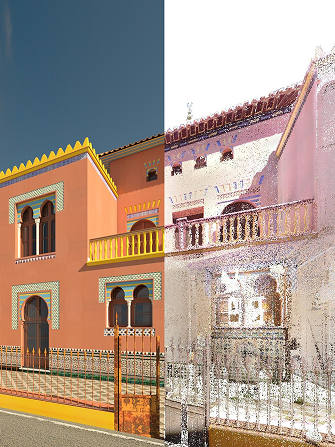
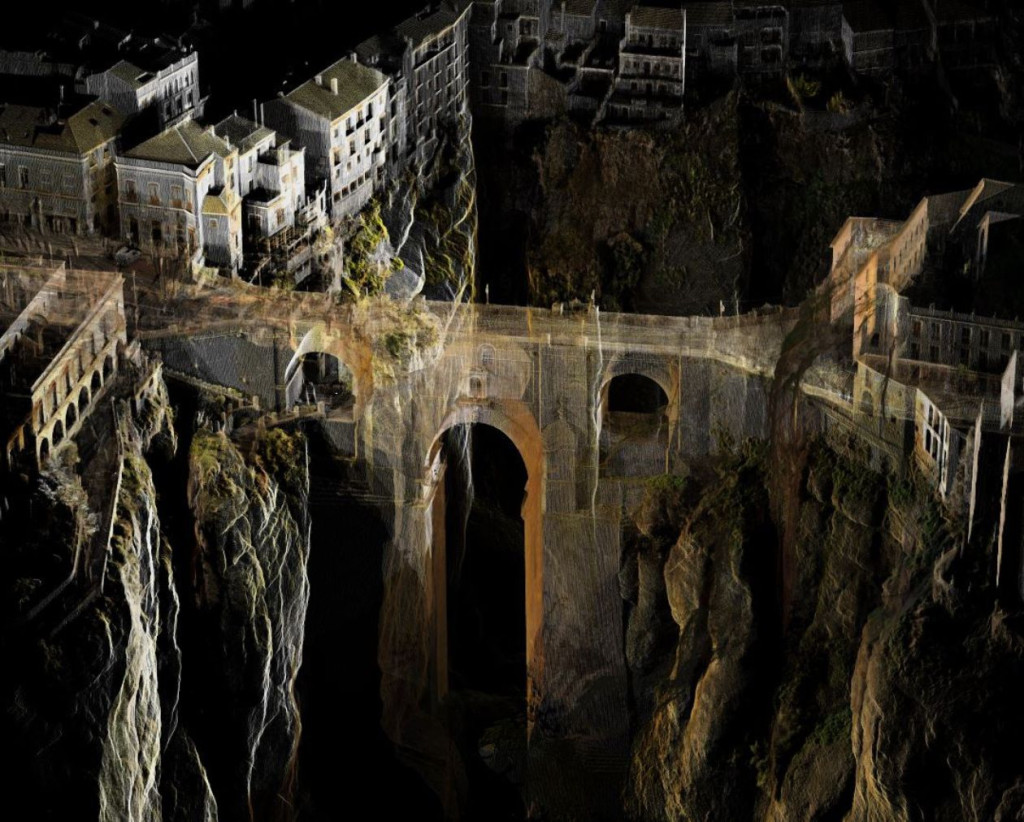
BIM in signature housing: technical coordination and as-built documentation for developers and architects
In a signature home project, the coordination between architecture, installations and interior decoration is more complex than in a standard home. There are more special materials, more subcontractors involved, and more room for something not to fit when it arrives on site.
The *federated BIM model* detects these interferences before they reach the execution phase. Architecture, structure, MEP installations and interior design finishes share the same coordination space. If something collides, we see it in the model.
Frequently asked questions
In residential, BIM provides real value when technical coordination is complex: elaborate MEP installations, interior design finishes that require millimeter precision or projects with several subcontractors working in parallel.
In standard housing the cost may not be justified. In designer housing, on the other hand, the cost of a coordination error that comes to work —having to redo an installation already executed due to a collision with the finishes— far exceeds the cost of BIM modeling.
Both options are possible. If the architect already works in BIM and has the model, we can join as a coordination and clash detection service: we take the existing model, federate it with the other disciplines and detect interferences.
If the project is not in BIM or the architect works in CAD, we build the model from the plans and coordinate all disciplines from there.
The BIM as-built reflects what was actually built, including the changes produced during execution compared to the original project. Includes architecture, structure and MEP installations updated with installed equipment data.
It is the technical documentation of the asset that remains after the work: useful for the owner in future renovations, for the manager in maintenance and as a differential argument for the promoter in the sale.
Yeah. In signature housing projects, interior design is one more discipline that needs to be coordinated with the rest. Finishes, built-in installations, custom furniture and lighting systems can generate conflicts with MEP installations if they are not coordinated in the model.
We work directly with interior design studios to incorporate their designs into the federated model and detect any interference before it arrives on site.
Do you have a residential project that needs this level of detail?
Tell us about the project. We tell you if it fits with what we do.
